Latest News
Nichibo Life - 2026 Vol.20
2026-05-11
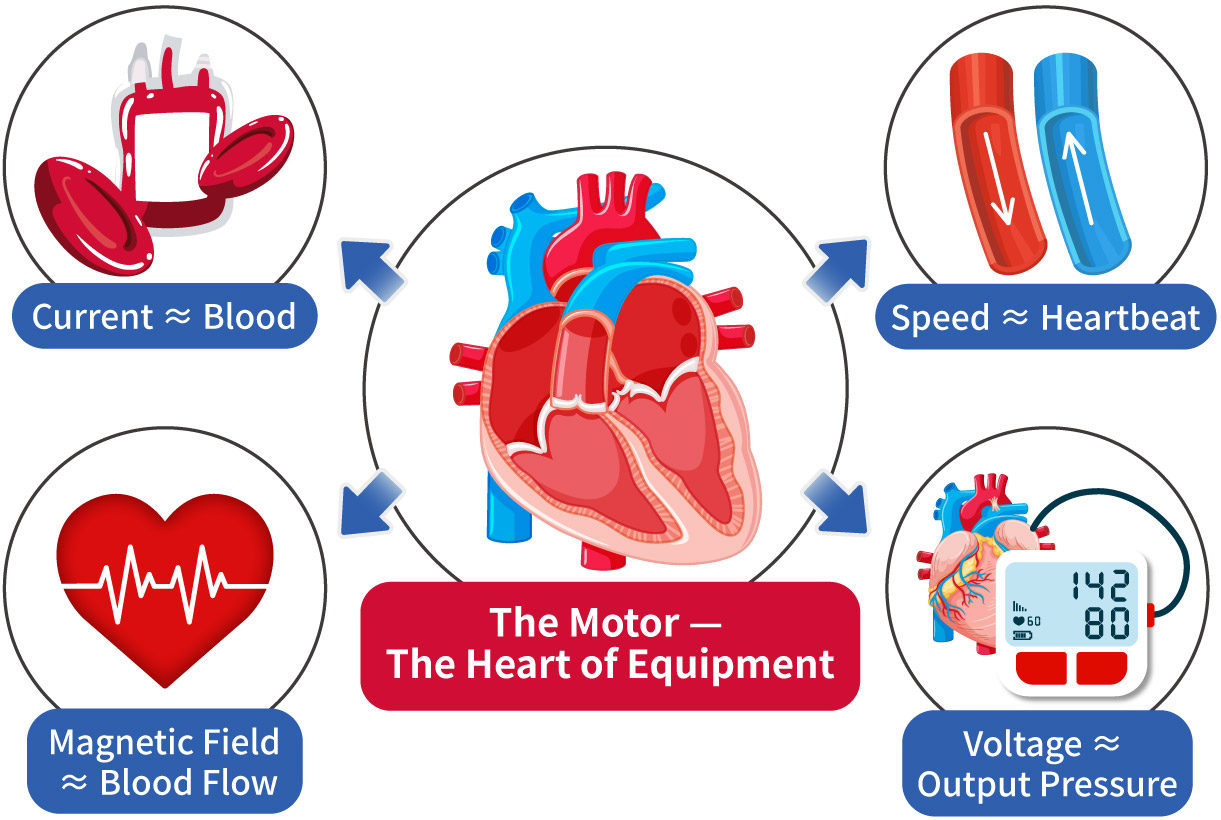
The Motor — The Heart of Equipment
Behind the stable operation of every machine, there is a core component working silently in the background — the motor.
It may not be as visible as the external structure, but it determines whether an entire system can operate continuously, efficiently, and reliably. If equipment were compared to the human body, then the motor would be its “heart.”
In the human body, the heart pumps blood throughout the body to keep every organ functioning properly. Likewise, in equipment and industrial systems, motors provide the driving force that keeps mechanisms and processes running. Whether in automation equipment, cooling systems, medical devices, or industrial machinery, motors are an indispensable core component.
Current — Like Flowing Blood
The human body relies on blood circulation to deliver oxygen and energy, just as motors rely on stable electric current to operate properly.
Electric current is like blood being compressed and pumped through the system, continuously supplying energy to the motor. When current becomes unstable, abnormal, or insufficient, it is similar to problems in the human circulatory system — equipment performance may decline, and operational abnormalities may occur. Therefore, stable power input is not only necessary to make a motor “run,” but also essential for maintaining the overall health of the equipment.
Speed — Like the Rhythm of a Heartbeat
A heartbeat that is too fast, too slow, or irregular often indicates a change in physical condition. Similarly, motor speed reflects the operating condition of equipment. Stable motor speed is like a steady heartbeat, helping equipment maintain optimal operating efficiency. Abnormal speed fluctuations may indicate load changes, control issues, or component wear. Many equipment failures begin with only minor speed irregularities, but if ignored over time, they can gradually develop into more serious problems.
Magnetic Fields — Like the Path of Blood Flow
The human circulatory system depends on the cooperation between blood vessels and the heart, while motors rely on magnetic fields to transfer energy and generate motion.
Magnetic fields guide the flow of energy, much like how the heart directs blood circulation. When magnetic fields become unstable or are disrupted, motor efficiency, temperature rise, and operational stability may also be affected. This is why precise magnetic field design and control technology are essential elements of high-quality motors.
Voltage — Like the Heart’s Output Pressure
The human body requires adequate blood pressure to circulate blood effectively, and motors similarly require stable voltage to maintain output performance.
When voltage is insufficient, it is similar to a drop in the heart’s output pressure — the system’s driving power gradually weakens. This may lead to reduced speed, lower efficiency, startup difficulties, or overheating. On the other hand, excessively high voltage can also place stress on the system, accelerating component aging and wear. Maintaining proper and stable voltage conditions is therefore critical to equipment lifespan and reliability.
Noise & Vibration — Warning Signs from Equipment
Doctors can detect heart abnormalities through heart murmurs. Likewise, abnormal noise and vibration in motors are often warning signs of equipment problems.
When motors produce unusual sounds, excessive vibration, or unstable operation, the causes may include:
- Bearing wear
- Structural looseness
- Abnormal load conditions
- Installation misalignment
- Component aging
These issues may appear minor at first, but if ignored for extended periods, they can eventually lead to equipment shutdowns or more severe system damage.
Early detection and timely maintenance are key to reducing repair costs and minimizing downtime risks.
Lifespan Decline — Like Heart Aging
Most equipment failures do not happen overnight, but are often the result of long-term accumulation.
Continuous high-load operation, improper usage, poor environmental conditions, heat, dust, and humidity can all accelerate motor aging. This is similar to how prolonged stress and fatigue gradually affect the human body and reduce long-term stability. A motor’s lifespan is essentially a form of “chronic wear.”
Many problems are difficult to detect in the early stages, but over time they gradually reduce efficiency and reliability. Through regular inspection, proper maintenance, and timely replacement, equipment can maintain a healthy and stable operating rhythm throughout its lifecycle.

Professional After-Sales Service & Technical Support
When equipment abnormalities occur, businesses often need more than simple part replacement — they need accurate diagnosis, professional analysis, and reliable solutions. NICHIBO provides comprehensive after-sales service and technical support, including problem analysis, operational condition evaluation, fault diagnosis, and improvement recommendations to help customers quickly identify the root cause of issues. We understand that equipment downtime is not only a technical issue, but also a factor that affects production efficiency and operational costs. Therefore, we focus on identifying the real cause behind every abnormality and provide:
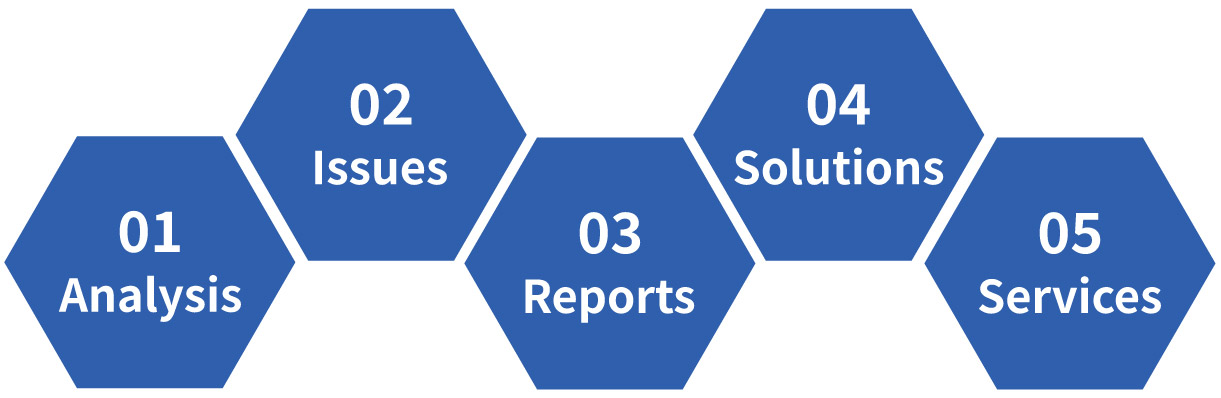
- Professional technical analysis
- Clear explanations of issues
- Complete analytical reports
- Improvement recommendations and solutions
- Comprehensive technical support services
Our goal is to ensure that every motor, like a healthy and stable heart, continues to provide reliable and consistent power for every operation.